12 lead ECG
Your heart rhythm and electrical activity at rest, in about 10 minutes
Often used for palpitations, chest pain, dizziness, checks before treatment

Most fainting and blackouts are harmless, but at KONCEPT® in Kingston our cardiologist, Dr Ameer Al-Bassam, checks whether a heart rhythm problem is the cause, with an ECG and, if needed, a Holter monitor. He then tells you clearly what caused it and what to do next.
Do not drive yourself to A&E.
Fainting is a short loss of consciousness, usually because not enough blood reaches the brain for a moment. Causes include:
Feeling dizzy or light headed just before fainting is common. Blackouts with no warning, or with palpitations, are more likely to need a heart check.
NICE guidance says that after a blackout you should be assessed by a heart specialist within 24 hours if you have:
NICE also suggests this for people over 65 who blacked out without any warning signs. If any of these apply, call us the same day, and if we cannot see you within 24 hours, contact your GP or NHS 111.
NICE advises that you must not drive while you are waiting for a specialist assessment after a blackout. After your assessment, the cardiologist tells you whether you need to tell the DVLA.
NICE says everyone who has had a blackout should have a 12 lead ECG, so at KONCEPT® in Kingston an ECG is part of every first visit for fainting and blackouts. If a heart rhythm problem is suspected and your episodes happen several times a week, NICE recommends a Holter monitor, which records every heartbeat through your normal days.
For episodes that happen less often, NICE recommends longer recording with an event recorder or a small implanted recorder, which the cardiologist arranges at a hospital if you need one. An echocardiogram may be done if he hears a murmur or suspects a heart condition.
Your heart rhythm and electrical activity at rest, in about 10 minutes
Often used for palpitations, chest pain, dizziness, checks before treatment
Every heartbeat through your normal days and nights
Often used for palpitations, dizzy spells or blackouts that come and go
Your blood pressure through a normal day and night
Often used for confirming or ruling out high blood pressure, checking treatment
The structure, pumping and valves of your heart
Often used for breathlessness, a heart murmur, swollen ankles, an abnormal ECG
A specialist assessment that decides which tests you need
Often used for any heart symptom or concern
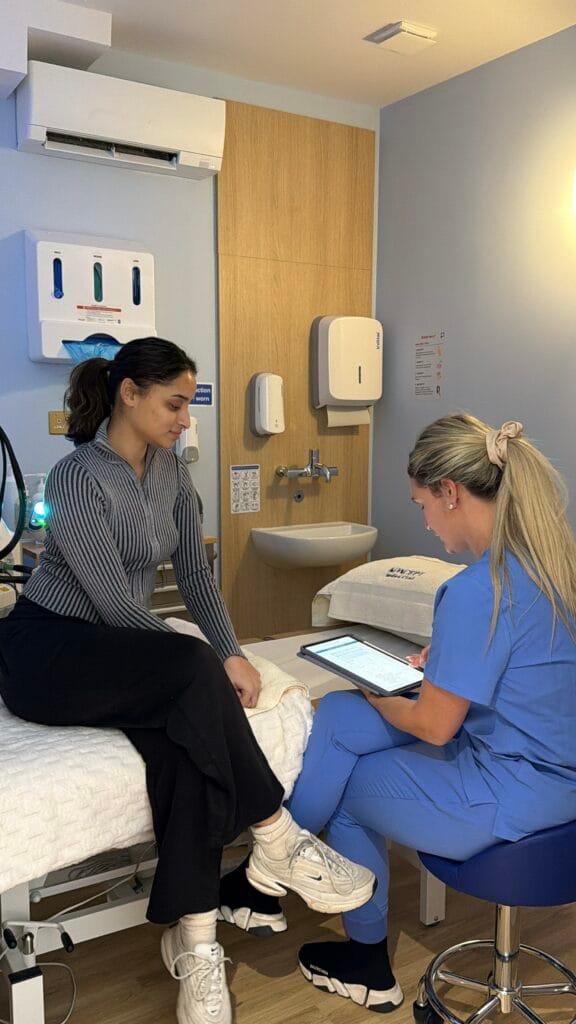
An assessment for fainting and blackouts at KONCEPT® in Kingston starts with a £200 consultation with the cardiologist. An ECG costs £119 and a Holter monitor from £295, each with a report. You only pay for the tests you have, and your total is confirmed in writing first.
Many private medical insurance policies cover fainting and blackouts when it is needed to investigate symptoms, if your policy includes outpatient cover. For your insurer to pay, the clinic and the cardiologist usually both need to be recognised by that insurer, and most insurers ask for a GP or open referral and a pre authorisation number first.
Please call 020 8129 1011 with your insurer and policy number before you book, so we can confirm your cover in writing. If you pay for yourself, no GP referral is needed.
You see Dr Ameer Al-Bassam, a specialist and interventional cardiologist on the GMC Specialist Register for cardiology, who also works in the NHS at Chelsea and Westminster Hospital NHS Foundation Trust.
Dr Ameer Al-Bassam
GMC: 7471608
Specialist and interventional cardiologist · Chelsea and Westminster NHS. Clinic dates: call 020 8129 1011.
Read full bio →Most faints are not serious and have a clear trigger, such as standing up quickly, heat or not eating. Fainting while exercising or lying down, or with chest pain or palpitations, needs a 999 call.
NICE advises not driving while you wait for a specialist assessment. After your assessment, the cardiologist tells you whether you need to tell the DVLA.
It is the most common type of faint, set off by things like standing for a long time, heat, pain or the sight of blood. It is usually harmless.
Feeling dizzy or faint when you stand up quickly can be a sign of low blood pressure. Tell the cardiologist, as some medicines and heart conditions can cause it.
No, not if you are paying for yourself. If you are using health insurance, your insurer will usually ask for a referral and a pre authorisation number first.
KONCEPT® Medical Clinic is registered with the Care Quality Commission (CQC). Medical Director Dr Maryam Attarzadeh (GMC 7193218). Page medically reviewed by Dr Maryam Attarzadeh, 29 October 2026.
Clinical information: NHS, fainting and NICE CG109, transient loss of consciousness (blackouts) in over 16s.
46 to 48 Wood Street, Kingston upon Thames, KT1 1UW · 020 8129 1011 · info@konceptmedicalclinic.com