Blog Summary
Considering laser pigmentation removal to reduce dark spots, sun damage, or stubborn hyperpigmentation? This in-depth guide explains the ten most important things to understand before booking treatment. From skin-type suitability and preparation to recovery timelines and aftercare, this article helps you make an informed, confident decision. Written for patients seeking laser pigmentation removal in Kingston upon Thames, it also explains why choosing an experienced medical clinic like KONCEPT® Medical Clinic, London is essential for safe and effective results.
Introduction
Pigmentation concerns such as sunspots, freckles, melasma, and post-inflammatory hyperpigmentation are extremely common. At KONCEPT® Medical Clinic in Kingston upon Thames, London, we regularly see patients who feel frustrated by dark patches that do not respond to skincare alone.
While topical creams and chemical peels can help with surface pigmentation, deeper or more stubborn pigment often requires laser pigmentation removal. Laser technology works by targeting excess melanin in the skin and breaking it down so the body can gradually clear it away.
However, laser pigmentation treatment is not a one-size-fits-all solution. Skin type, pigment depth, lifestyle habits, and correct aftercare all influence results. Understanding what to expect before treatment helps reduce risks and improves outcomes.
Below are 10 essential things to know before having laser pigmentation removal in Kingston, so you can approach treatment safely and with realistic expectations.
Things to Know Before Having Laser Pigmentation Removal
1. Understand What Laser Pigmentation Removal Treats
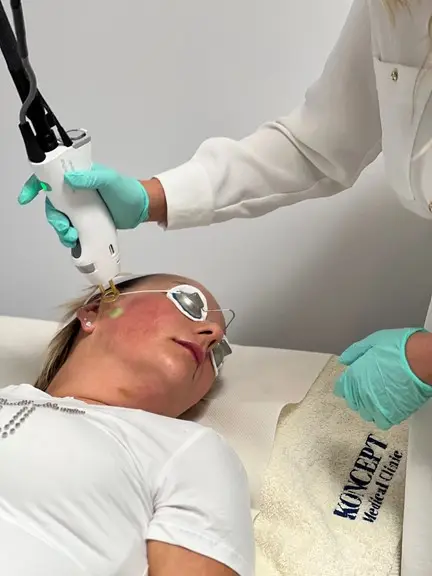
Laser pigmentation removal targets excess melanin in the skin. The laser energy breaks pigment into microscopic particles, which are then cleared by the body’s lymphatic system over time.
It is effective for sunspots, age spots, freckles, lentigines, and some forms of melasma. It does not treat redness, raised lesions, or vascular conditions. Accurate diagnosis during consultation ensures the correct treatment is selected.
At KONCEPT Medical Clinic in Kingston, every pigment lesion is assessed individually before treatment.
2. Your Skin Type Matters
Laser settings must be tailored to your Fitzpatrick skin type. Darker skin contains more melanin, which absorbs heat more readily and requires conservative settings to reduce risk.
Advanced laser systems can safely treat a wide range of skin tones, but only when operated by experienced practitioners. Patch testing is essential before full treatment.
3. Results Are Gradual, Not Instant
Pigment often darkens slightly before fading. Full results typically develop over 4 to 12 weeks as the body clears fragmented pigment.
Conditions such as melasma may require multiple sessions and ongoing maintenance. Patience and consistency are key.
4. Skin Preparation Is Important
Proper preparation improves safety and results. Before laser pigmentation removal, you should:
- Avoid sun exposure, tanning beds, and self-tanners for 2 to 4 weeks
- Stop retinoids and strong exfoliants
- Use SPF 50 daily
- Keep skin hydrated
Healthy skin responds better to laser treatment and heals faster.
5. The Procedure Is Quick but Can Feel Uncomfortable
Most laser pigmentation treatments last 15 to 30 minutes. Sensations range from warm pin-pricks to quick snapping feelings.
Cooling systems and topical numbing help reduce discomfort. Pain is usually well tolerated.
6. Temporary Side Effects Are Normal
After treatment, you may experience redness, mild swelling, and darkened pigment that looks like coffee grounds. This is a normal response.
Flaking and crusting may occur for several days. These effects usually resolve within one week when aftercare is followed correctly.
7. Laser Pigmentation Removal Is Not a One-Time Fix
Most patients require 2 to 4 sessions, spaced four weeks apart. Melasma may require more.
Sun protection and skincare maintenance are essential to prevent recurrence. Pigment can return if skin is not protected from UV exposure.
8. Aftercare Is Crucial
Following aftercare instructions helps prevent complications and improves results:
- Avoid heat, exercise, and saunas for 3 to 5 days
- Use gentle skincare only
- Apply SPF 50 daily
- Do not pick or exfoliate treated areas
Our Kingston clinic provides clear aftercare guidance for every patient.
9. Laser Technology and Clinic Experience Matter
Not all lasers deliver the same results. Different pigment types require different wavelengths and pulse durations.
At KONCEPT® Medical Clinic in Kingston upon Thames, we use medically approved laser systems and personalised treatment settings. Practitioner expertise is critical for safety and success.
10. Not Everyone Is a Suitable Candidate
Laser pigmentation removal may not be suitable if you are:
- Pregnant or breastfeeding
- Taking photosensitising medications
- Experiencing active skin conditions
- Prone to keloid scarring
A thorough consultation ensures treatment suitability and safety.
Benefits of Being Informed Before Laser Pigmentation Removal
Sets Realistic Expectations
Understanding timelines and session requirements prevents disappointment.
Reduces Side Effect Risk
Correct preparation and aftercare lower the chance of pigmentation changes.
Improves Treatment Results
Knowledge encourages better compliance with pre- and post-treatment care.
Helps You Choose the Right Clinic
Informed patients select clinics with appropriate technology and experience.
Conclusion
Laser pigmentation removal is an effective, non-surgical solution for reducing dark spots and achieving a clearer complexion. However, success depends on correct diagnosis, appropriate laser technology, and professional treatment planning.
At KONCEPT® Medical Clinic in Kingston, London, every pigmentation treatment is customised to your skin type and concerns. Our medical approach prioritises safety, precision, and long-term skin health.
If you are considering laser pigmentation removal in Kingston upon Thames, booking a professional consultation is the best next step toward brighter, more even skin.
FAQs
Can dark spots come back after laser pigmentation removal?
Laser treatment can clear existing pigment. However, new pigmentation may form with sun exposure or hormonal changes, which is why ongoing SPF use is essential.
How long does pigmentation take to fade after laser treatment?
Surface pigment may fade within 7 to 10 days, while deeper pigment clears over several weeks. Multiple sessions may be required.
Can laser remove hyperpigmentation safely?
Yes, when performed by trained practitioners using appropriate laser technology and settings for your skin type.
How many sessions will I need?
Most patients require 2 to 4 sessions. Melasma may require additional treatments and maintenance.