Blog Summary
Fine lines around the eyes, forehead creases, and deeper folds around the mouth are some of the earliest and most noticeable signs of skin ageing. The good news: there are now highly effective non-surgical wrinkle treatments that target different layers of the skin, some delivering instant smoothing, others building collagen gradually for longer-term firmness.
In this guide, we cover the 12 best treatments for wrinkles on the face, including injectables, energy-based devices, resurfacing treatments, and evidence-based skincare. For each option, you’ll see what it treats best, expected discomfort, downtime, results timeline, and aftercare. Use this as a practical reference to discuss a personalised plan with a qualified medical aesthetics practitioner.
Introduction
Wrinkles form as collagen, elastin, and skin hydration gradually decline with age. Repeated facial expressions (smiling, squinting, frowning), sun exposure, smoking, stress, and sleep quality all influence how quickly lines develop and deepen.
Good skincare and lifestyle choices matter but once wrinkles become etched into the skin, results are usually best when homecare is combined with in-clinic treatments. The right approach depends on your wrinkle type:
- Dynamic wrinkles (from movement) → best treated with neuromodulators (e.g., Botox)
- Static wrinkles (visible at rest) → best treated with fillers, collagen-stimulators, resurfacing
- Skin laxity (sagging) → best treated with tightening devices + collagen induction
Below are the most popular and effective facial rejuvenation options used in top aesthetic clinics.
1) Dermal Fillers
Dermal fillers are injectable gels (most commonly hyaluronic acid, sometimes calcium hydroxylapatite) that restore volume and soften static lines. They work especially well for nasolabial folds, marionette lines, cheeks, chin and jawline definition.
Quick facts
- Pain: Mild (topical anaesthetic or lidocaine in product helps)
- Treatment time: 30 to 60 minutes
- Downtime: Minimal; swelling/bruising varies by area
- Results: Immediate, best seen after 2 to 4 weeks; lasts ~ 6 to 18 months depending on product/area
- Typical sessions: 1, with maintenance
- Cost guide: £350 to £650 per syringe (amount varies)
- Best for: Volume loss, deep folds, contour enhancement
- Aftercare: Avoid alcohol/exercise 24 hours; sleep slightly elevated; cold compress if swollen; follow practitioner advice on massage (if applicable)
2) Fractional Laser Resurfacing (CO₂ or Er:YAG)
Fractional lasers create microscopic columns of controlled thermal injury to stimulate collagen and improve texture, pigmentation and wrinkles. CO₂ is generally deeper; Er:YAG can be gentler for surface lines.
Quick facts
- Pain: Moderate (topical anaesthetic; sometimes oral analgesics)
- Treatment time: 45 to 75 minutes
- Downtime: Typically 7 to 10 days of redness/flaking (“social downtime”)
- Results: Visible improvement after ~2 weeks; collagen builds for 3–6 months
- Longevity: Often 1 to 3 years with good skincare/SPF
- Cost guide: £1,000 to £1,600 per session (varies by device/area)
- Best for: Moderate deep wrinkles, sun damage, texture irregularities
- Aftercare: Strict SPF, gentle cleansing, barrier repair creams, avoid heat/active acids until healed
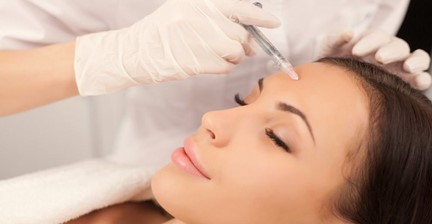
3) Botulinum Toxin (Anti-Wrinkle Injections)
Botulinum toxin relaxes the muscles that create expression lines. It’s ideal for forehead lines, frown lines (glabella) and crow’s feet, and can also help areas like the chin, bunny lines, and jaw clenching (masseters).
Quick facts
- Pain: Very mild
- Treatment time: 15 to 20 minutes
- Downtime: None (small bumps fade quickly)
- Results: Start 3 to 5 days; full effect around 10–14 days
- Duration: Typically 3 to 4 months
- Maintenance: 3 to 4 times per year
- Cost guide: £200 to £320 per area (clinic dependent)
- Aftercare: Stay upright for 4 hours; no heavy exercise same day; avoid rubbing; postpone facial massage/peels for 1 to 2 weeks
4) RF Microneedling
Radiofrequency microneedling delivers RF heat into the dermis via tiny needles, stimulating collagen and elastin while tightening skin and refining pores.
Quick facts
- Pain: Mild–moderate (topical anaesthetic)
- Treatment time: 30 to 60 minutes
- Downtime: 24 to 48 hours redness; makeup often after 24 hours
- Results: Gradual; best around 8 to 12 weeks (often peaks by ~3 months)
- Course: Commonly 3 sessions (4 to 6 weeks apart) + annual maintenance
- Cost guide: £450 to £750 per session
- Best for: Fine moderate wrinkles, early laxity, pores, texture
- Aftercare: Hydration + SPF; avoid acids/retinoids ~ 5 days; avoid strenuous exercise 24 hours
5) PRP (Platelet-Rich Plasma)
PRP uses growth factors from your own blood to support healing and collagen stimulation, often delivered via microneedling or targeted injections.
Quick facts
- Pain: Mild
- Treatment time: 45 to 60 minutes
- Downtime: 24 to 48 hours redness
- Results: Glow within days; collagen benefits over 6–12 weeks
- Course: Often 3 sessions (4 weeks apart) + yearly maintenance
- Cost guide: £350 to £500 per session
- Best for: Early wrinkles, crepey texture, dullness, under-eye quality
- Aftercare: Gentle skincare + SPF; avoid NSAIDs 24 hours if advised by clinician
6) Ultrasound Skin Tightening (HIFU / Ultherapy-style)
Focused ultrasound heats deeper tissue layers to stimulate collagen and improve mild–moderate laxity.
Quick facts
- Pain: Moderate (varies)
- Treatment time: 60 to 90 minutes
- Downtime: Minimal (possible tenderness/tingling)
- Results: Progressive over 2 to 6 months
- Duration: Often 12 to 24 months
- Cost guide: £1,200 to £2,500 depending on zones
- Best for: Early jowls, jawline/neck laxity, brow heaviness
- Aftercare: SPF, gentle skincare; mild tenderness can persist briefly
7) Chemical Peels (Light to Medium Depth)
Peels exfoliate damaged surface layers and can stimulate collagen depending on depth. They’re particularly helpful for fine lines, dullness and uneven tone.
Quick facts
- Pain: Mild stinging (brief)
- Treatment time: 20 to 30 minutes
- Downtime: Light peels 0 to 2 days; medium peels up to 5 to 7 days peeling
- Results: Brighter skin quickly; texture improves over weeks
- Course: Often 3 to 6 for cumulative results
- Cost guide: £250 to £300+ (depends on peel type)
- Aftercare: Don’t pick; hydrate; SPF is non-negotiable; pause retinoids until healed
8) Dermabrasion (Specialist Resurfacing)
Dermabrasion is a deeper mechanical resurfacing technique typically used in specialist settings for significant texture issues or etched lines.
Quick facts
- Pain: Moderate (local anaesthetic or sedation)
- Downtime: 7 to 14 days acute healing; pinkness can persist longer
- Results: Can be dramatic for select concerns; long-term with strict sun care
- Cost guide: £1,000 to £2,500 (varies widely)
- Best for: Selected deep wrinkles/acne scarring (case-dependent)
- Aftercare: Prescribed healing regimen; strict sun avoidance; cold sore prophylaxis if prone
9) Thread Lifting
Threads lift tissue and may stimulate collagen for a subtle tightening effect. Best for early laxity rather than deep wrinkles.
Quick facts
- Pain: Mild–moderate (local anaesthetic)
- Downtime: 3 to 7 days swelling/bruising
- Results: Immediate lift + collagen improvement over months
- Duration: Often 12 to 18 months
- Cost guide: £900 to £1,800 (threads/areas dependent)
- Aftercare: Sleep on back, avoid strenuous exercise ~10 days, avoid exaggerated facial movements early on
10) Prescription Retinoids (Tretinoin/Adapalene)
Retinoids are the gold-standard topical for long-term anti-ageing: improving fine lines, pigmentation and texture through cell turnover and collagen support.
Quick facts
- Pain: Possible dryness/irritation in first 4 to 6 weeks
- Timeline: Visible texture changes ~8–12 weeks; pigmentation often 12 to 16+ weeks
- Maintenance: Ongoing
- Cost: Varies (prescription dependent)
- Best for: Fine lines, sun damage prevention, texture
- Aftercare: Start slowly; moisturise; daily SPF essential; avoid during pregnancy
11) Peptide-Based Skincare
Peptides support skin function and barrier repair. They’re helpful as maintenance alongside in-clinic treatments, but they won’t replicate injectables or lasers for deep wrinkles.
Quick facts
- Downtime: None
- Timeline: Subtle improvements in 4 to 8 weeks with consistent use
- Cost: Varies by formulation
- Best for: Supporting firmness and hydration; post-procedure maintenance
- Tip: Pair peptides with antioxidants + SPF in the morning
12) Lifestyle & Nutritional Support
No treatment plan is complete without the basics. Lifestyle affects collagen breakdown, inflammation and healing.
High-impact habits
- Wear broad-spectrum SPF daily (365 days/year)
- Prioritise 7 to 9 hours sleep
- Avoid smoking/vaping (major collagen destroyers)
- Moderate alcohol + sugar
- Eat a Mediterranean-style diet (protein + colourful plants)
- Manage stress (high cortisol accelerates ageing)
Conclusion
The best treatments for wrinkles on the face depend on what kind of wrinkles you have (dynamic vs static), how much laxity is present, your downtime tolerance, and whether you want instant results or gradual collagen-building.
For most people, the most natural-looking outcomes come from a layered plan:
- Botox for movement lines
- fillers where volume is lost
- collagen-inducing treatments (RF microneedling, PRP, ultrasound or lasers) for firmness
- retinoids, peptides, SPF and lifestyle to maintain results long-term
A qualified consultation is the fastest way to match the right tools to your skin.
FAQs
What is the best procedure for deep wrinkles on the face?
Deep static wrinkles often respond best to a combination of fractional laser resurfacing (for texture) and dermal fillers (for volume support), sometimes paired with Botox to reduce repetitive folding.
Does anything really work for wrinkles?
Yes, treatments like botulinum toxin, fillers, retinoids, RF microneedling and lasers have strong clinical evidence for improving wrinkles when correctly selected and performed.
How do you get wrinkles out of your face?
You can’t permanently “erase” all wrinkles, but you can significantly soften them with a plan that targets muscle movement, volume loss and collagen decline.
What do dermatologists recommend for wrinkles?
Most recommend a foundation of SPF + retinoids, then tailored in-clinic treatments (Botox, fillers, devices) depending on wrinkle type and skin goals.